The workplace has radically changed post-pandemic. From AI anxiety to return-to-office mandates to rampant ageism, employees are confronting the reality that the genie isn’t going back into the bottle.
People are asking themselves big questions: Does this job align with my life’s goals? Do I feel engaged, or mostly anxiety or burnout? Is my work meaningful? Why am I here?
That’s where Jennifer Moss comes in.
In her new book, “Why Are We Here?: Creating a Work Culture Everyone Wants,” Moss, a workplace strategist, explores ways to navigate these constant shifts and fall in love with our jobs again.
I asked Jennifer to share some of her practical advice. Below are excerpts of our conversation, edited for length and clarity.
Kerry Hannon: Why do a lot of workers feel unmoored these days?
Jennifer Moss: We’ve moved to this whole stage of work where we’re feeling like nothing is safe. We feel extremely uncertain. Obviously, the pandemic played a role, but now everything feels unstable.
We were able to work remotely. We had a lot of autonomy. There was a lot of trust that was put into the workforce to be able to navigate that very difficult time. But the level of trustworthiness has eroded. And it makes people feel disengaged, less loyal, less productive. It’s what Gallup is calling the great detachment.
What makes workers feel respected and motivated?
It’s the fundamentals of dignity and respect and trust and purpose and hope. We’ve let that atrophy and we need to go back. A lot of organizations are looking at improving productivity and engagement and all those things, but it’s so downstream. They’re not realizing that there’s a very broken workforce that needs some help.
What would be an example of something that would help — a specific action?
Hopefulness. If employees don’t feel hopeful, they will feel like they’re in survival mode. We need to build hope skills. You do that by very small incremental wins. It’s having simple goals that are broken down with daily, weekly, monthly, yearly, five-year goals, so we’re always kind of celebrating meeting goals, or making the effort to do so.
Maybe it’s saying thank you to someone today. Maybe it’s having lunch with a co-worker for 20 minutes. A Cornell study found that 20 minutes of having lunch every single week with a colleague improves job satisfaction, reduces mistakes on the job, and increases morale. It builds cognitive hope.
People have often told me what they love most about their job is not always the job itself but their co-workers. You write about the importance of having workplace friends. Can you elaborate?
Workers who have more friends at work are more likely to stay. What we’re finding right now with people feeling unmoored and detached is that work friendships really make a difference inside of our own motivation to be at work.
Story Continues
The rigid return to office thing is not really the solution necessarily. Correct?
It doesn’t actually improve cohesion, which is the whole point. Many employees are saying ‘I’m just sitting at my desk doing the exact same thing I could be doing at home.’ People are just going in and replicating that experience. That’s why employers need to create a third space. These are places where people can come together in a community.
You write that the fundamental human desire is freedom. How does that play out in the workplace?
A lack of autonomy is a root cause of burnout. Autonomy is really this from a manager’s perspective: I hired you because I trusted you. You’re an adult. I should treat you like an adult. I don’t have to manage how you work.
We tend to have higher productivity working remotely than we do in the office. And so it’s against going against data already to make these return-to-office mandates.
Before the pandemic, everyone wanted flexibility and autonomy, but it wasn’t really on the table to have this amount of flexibility. But once you’ve given someone their freedom, to pull that back creates an almost subconscious response.
Many of us don’t even realize why we feel the way we’re feeling, but it’s very angering, and it’s tied to this psychological response to our freedoms being taken away. Employers need to understand that it’s not that people are lazy and they want to stay in their pajamas because all the data shows that that’s not accurate.
We can rebuild that trust by offering flexibility. Maybe it’s as simple as being open to shift changing.
What’s your take on ageism?
You see that in headlines everywhere. Gen Zs are impossible to work with, and boomers can’t Google, or they don’t know anything about AI, and if Gen Xers or millennials just stop buying avocado toast, they’d be able to afford their own home.
Things that are just so hyperbolic and funny. We need to completely erase that narrative in our organizations. The best thing is to just do an audit of how often this kind of topic comes up and curb people talking about other groups. It’s rethinking our language.
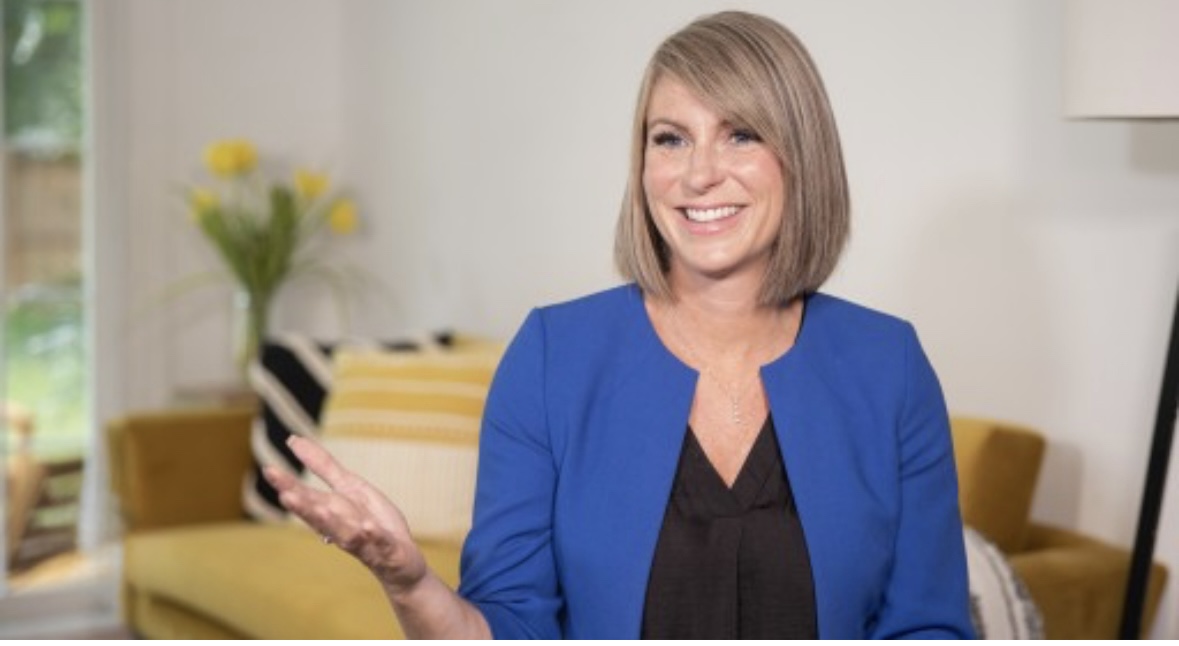
Author Jennifer Moss: «We’ve moved to this whole stage of work where we’re feeling like nothing is safe. We feel extremely uncertain.» (Photo courtesy of author) ·Apple Photos Clean Up
What is youngism?
It’s ageism but directed specifically at young people. With Gen Zs, it’s become toxic. They’re feeling like they come into the workforce and they’re already biased that they’re lazy and entitled.
Look at their role models. Xers and boomers are not great models. They have the highest level of burnout, they’re miserable. They’re constantly complaining about how much they hate work, and they’re working long hours to get ahead. So why would Gen Zs want to model that? We need to come back to a place of more healthy behaviors and sustainable behaviors at work.
What is your most radical idea in this book that you want to leave your readers with?
When you actually face your mortality, your brain changes, it reorganizes its priority structure, and it moves things around because you feel like you’re facing the finitude of your life.
Have a question about retirement? Personal finances? Anything career-related? Click here to drop Kerry Hannon a note.
For the younger cohort, the pandemic made them question their whole entire career and their trajectory of what they wanted to do and their job right now. It made them plan to quit because it wasn’t aligned.
They’ll take 37% less pay if they have well-being and work-life balance. They look at life differently. And so we need to rethink how we’re motivating and retaining our entire talent because they feel like life is short.
Kerry Hannon is a Senior Columnist at Yahoo Finance. She is a career and retirement strategist, and the author of 14 books, including «In Control at 50+: How to Succeed in The New World of Work» and «Never Too Old To Get Rich.» Follow her on Bluesky.
Sign up for the Mind Your Money newsletter
Click here for the latest personal finance news to help you with investing, paying off debt, buying a home, retirement, and more
Read the latest financial and business news from Yahoo Finance