


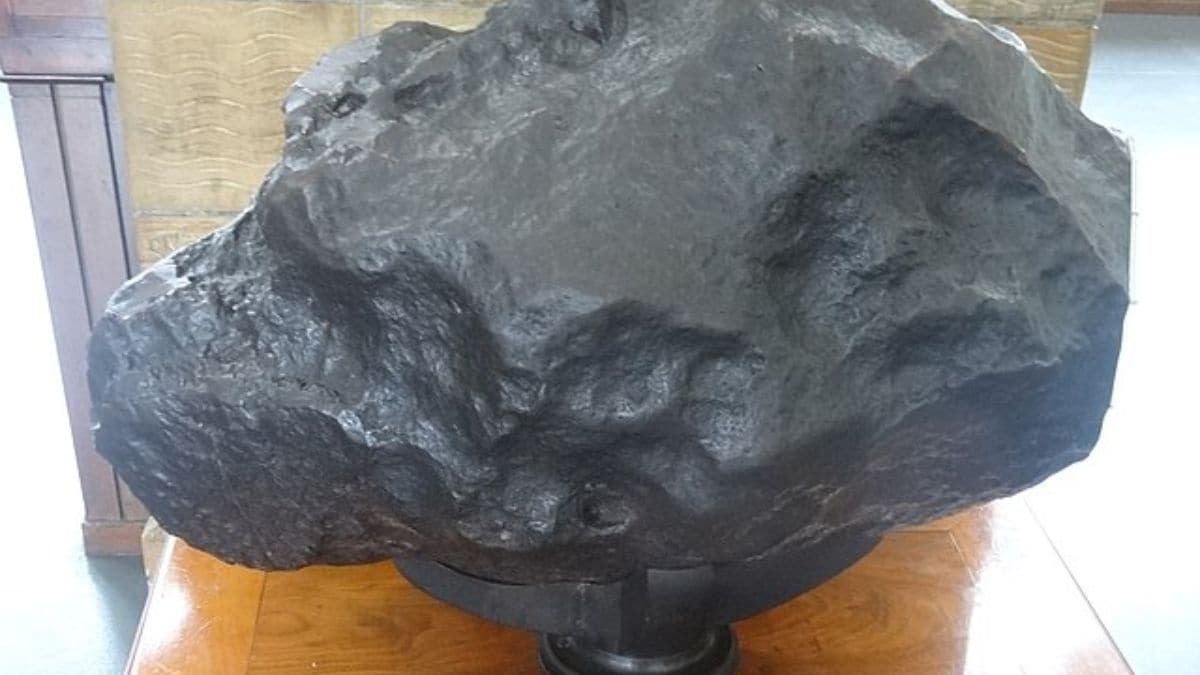
Recent analysis of Iron Age artifacts from Poland has revealed the presence of meteoric iron in several ornaments, according to reports. The discovery was made at two archaeological sites, Częstochowa-Raków and Częstochowa-Mirów, both linked to the Lusatian Culture and dated between 750 and 600 BCE. A total of 26 iron artefacts, including bracelets, ankle rings, knives, spearheads, and necklaces, were examined, with four of them confirmed to contain meteoric iron.
Findings from the Study
According to the study published in the Journal of Archaeological Science: Reports, multiple analytical techniques were used to examine the artifacts, including portable X-ray fluorescence (p-XRF), Scanning Electron Microscopy (SEM) with Energy Dispersive Spectroscopy (EDS), and X-ray microtomography. These methods helped in determining the elemental composition and internal structure of the iron objects.
Dr. Albert Jambon, the lead researcher, told Phys.org that the aim of the study was to trace the origins of iron smelting. The presence of meteoric iron in the analyzed objects suggests that the material was sourced locally rather than imported from distant regions such as the Alps or the Balkans. The study further indicates that the artifacts were crafted from an ataxite meteorite, a rare iron meteorite with high nickel content.
Possible Meteorite Source and Cultural Context
Reports suggest that the meteoric iron used in these artifacts was likely obtained from a witnessed meteorite fall rather than an incidental discovery. Large iron meteorites are difficult to process without advanced tools, making smaller fragments more practical for use. Dr. Jambon explained to Phys.org that historical records from 19th-century France highlight similar challenges in working with large meteorite pieces.
Despite its extraterrestrial origin, meteoric iron does not appear to have been regarded as a prestigious material during the Iron Age. The artifacts were found in graves of men, women, and children, without any apparent social or economic distinction. None of the burial sites contained luxury items such as gold, silver, or imported goods, reinforcing the notion that iron was relatively common at the time.
Oldest Known Patterned Iron?
Further analysis revealed that the meteoric iron had been mixed with terrestrial slag iron, producing a distinctive banding pattern on the metal. Due to the high nickel content, meteoric iron would appear white when smelted, contrasting with the black hue of terrestrial iron. This suggests that the intentional mixing of different iron sources may have been an early attempt to create decorative or patterned metalwork. If confirmed, this would make the artifacts among the earliest known examples of patterned iron, predating the development of Damascus steel by centuries.
